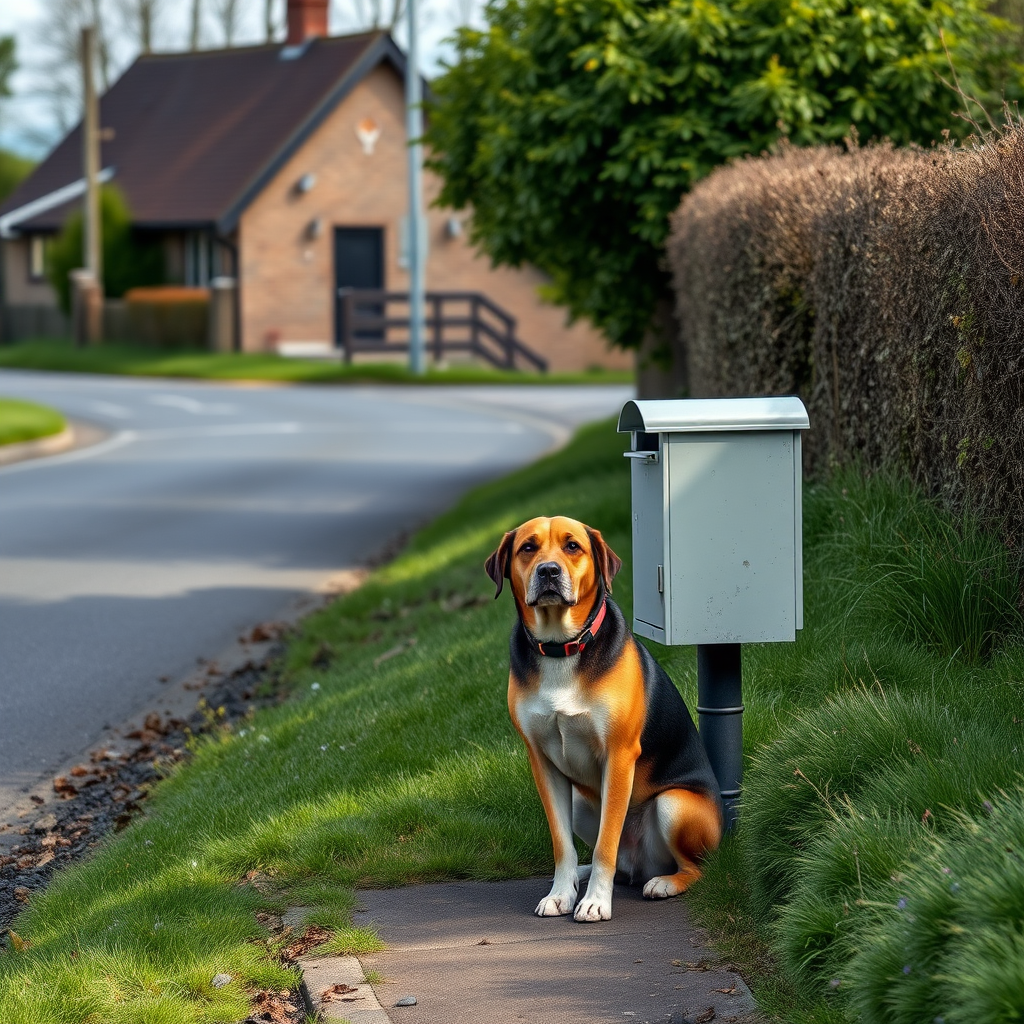

Owners of dogs that act unpredictably around guests, including delivery personnel, may be looking for ways to stop such incidents occurring in future.
This involves taking essential precautions to ensure a family pet does not nip the local postie during their daily rounds.
Royal Mail has published guidance to assist, including placing a four-word notice in windows and doors, and fitting a metal letterbox guard.
This follows the postal service stating that some dog attacks on its employees have resulted in private prosecutions being brought against pet owners.
How many postal workers suffer dog bites?
The latest statistics published by Royal Mail in June 2025 showed 2,197 canine attacks on staff were recorded over the previous twelve months, representing a 2% rise on the earlier period.
The total worked out at roughly 42 incidents weekly across Britain, with certain cases causing permanent and disabling injuries.
Nevertheless, 2025 experienced a decline in attacks classified as serious and significant injury to delivery staff, according to Royal Mail, though it described the numbers as still unacceptably high.
Seventy-four major injuries were documented in 2024/25 compared with 82 the previous year – a 10% drop.
Royal Mail noted at the time of the report that almost half of canine attacks, totalling 1,005 (46%), occurred at the front entrance.
A further 606 (28%) incidents took place in outside areas such as gardens, driveways or yards. One hundred and eighty-three (8%) happened on pavements or roads.
Four hundred and three injuries were sustained through the letterbox – representing 18% of assaults on postal workers.
Dog attacks on Royal Mail personnel caused 2,700 days of sick leave in 2024/25, with the most extended period of absence reaching 108 days.
How can owners stop their dog biting a postie?
For those wishing to help postal workers deliver post safely to their address, Royal Mail has offered several recommendations.
The postal service advises keeping pets out of sight before the postie arrives, suggesting moving them to the rear garden or a distant room.
It also warns against answering the door to delivery staff while a dog remains behind you.
Other key guidance from Royal Mail that could prevent dogs biting its workers includes:
If a rear garden exists, block access to it in case the dog finds its way to the front when the postie calls
Provide the dog with food or a toy to occupy it while post is being delivered
Hold off for ten minutes after post has been delivered before allowing the pet back inside – keep things as calm as possible
For dogs that target post, consider fitting a wire letter receptacle – this safeguards both letters and the postie’s fingers
Think about installing a secure mailbox at the property boundary if keeping the dog away during deliveries proves impractical
Royal Mail also urges households to display a notice on doors and windows stating: I HAVE A DOG. Please wait whilst I secure my dog before opening the door.
This alerts anyone delivering to the property about the presence of a dog and requests they wait patiently while the animal is secured before the door is opened.
A printable template is available on the postal service’s website.
What occurs when a dog bites a postal worker?
Royal Mail states it continues to push for changes in legislation to address the seriousness of dog attacks as additional protection for its workforce.
On its website, the postal service explains that following amendments to the Dangerous Dogs Act in England and Wales that took effect in May 2014, Royal Mail has initiated over 30 private prosecutions against dog owners.
This has penalised those responsible and further highlighted the issue.
It is intended that these measures will deter future attacks by compelling owners to implement control measures ensuring a dog does not attack again.
It adds that two cases have also been successfully pursued in the High Court that established legal precedent regarding the criminal responsibility of dog owners when postal workers sustain finger injuries while posting items through a letterbox.
These rulings clarified the legal position on whether fingers placed through a letterbox constituted trespass and thus potentially provided a homeowner with a defence.
The Court determined that as long as the purpose was posting mail, no trespass occurred.
In concluding remarks, the judge observed that installing a cage would help prevent some of the severe injuries sustained by staff.