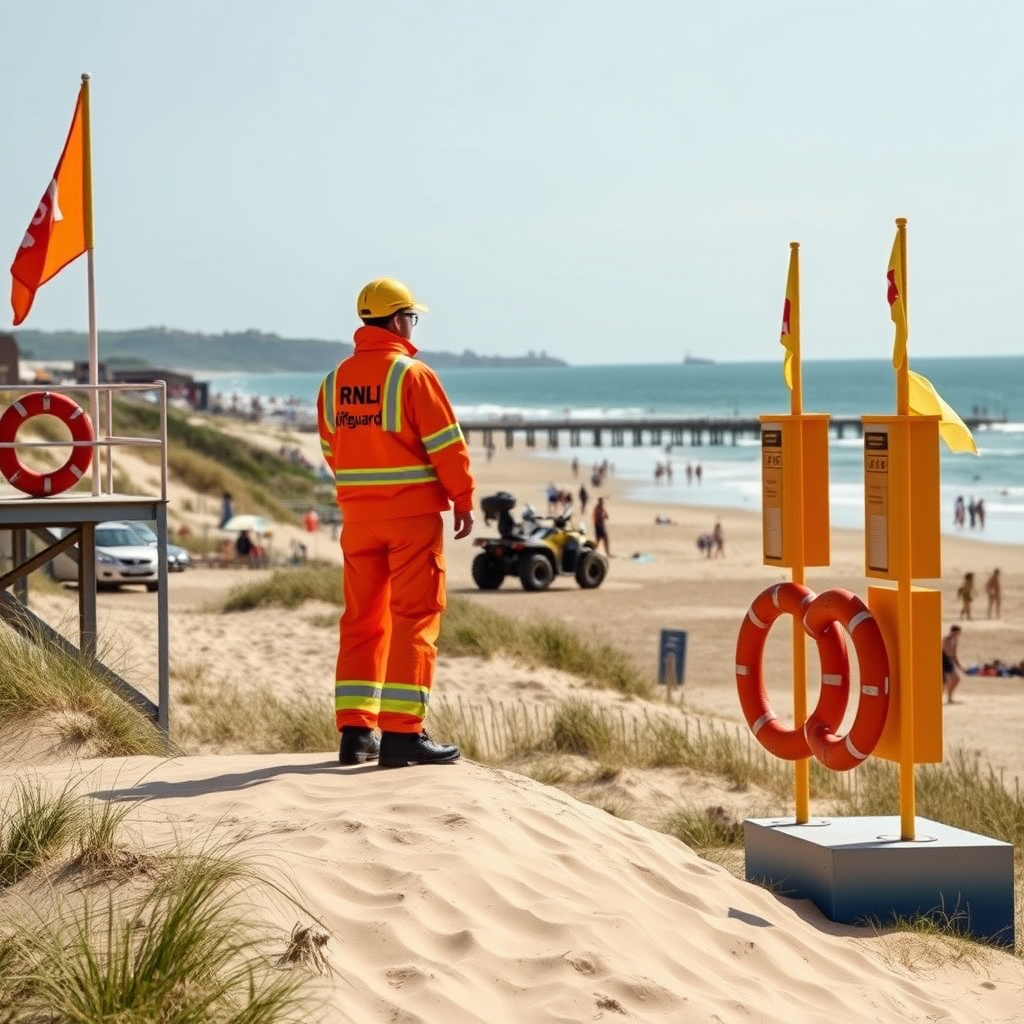

Anyone planning trips to the coast during the warmer months is being advised to adhere to simple safety advice to ensure the protection of both themselves and their relatives.
The Royal National Lifeboat Institution has released ten crucial suggestions aimed at helping families and individuals enjoy a safe time by the sea.
The charity’s lifeguards provide patrol services across more than 240 stretches of coastline across the United Kingdom.
Visitors to the coast are urged by the RNLI to choose a beach that has lifeguard presence and to bathe solely in areas indicated by red and yellow flags.
This particular zone is actively monitored by lifeguard staff and represents the designated safest area for swimming, bodyboarding, and using inflatable toys.
Understanding beach signage and what the flags represent is also vital.
The black and white chequered flags denote areas suitable for surfboards, stand-up paddleboards, and other non-powered watercraft – however, swimming and bodyboarding are not permitted in these sections.
A red flag indicates that no one should enter the water under any circumstances.
The charity also issues warnings about rip currents – powerful underwater flows that can quickly drag people towards deeper waters.
Should anyone become trapped in a rip current, the RNLI advises against swimming directly against it, as this will lead to exhaustion.
Bathers should instead try to stand and walk if the water depth allows, or swim parallel to the beach until they break free from the current’s grip before making their way back to land.
People in difficulty should raise an arm and shout for help.
Working together with the Amateur Swimming Association, the RNLI provides free summer Swim Safe sessions for children aged seven to fourteen, teaching essential skills for staying safe in open water.
Children remain safest when they have continuous adult supervision while at the beach.
Lifeguards give out free wristbands to help reunite children who become separated from their parents or guardians; adults should make sure their offspring know where the lifeguard station is located should separation happen.
Other significant advice includes: checking tide times before heading out; limiting inflatable use to areas between the red and yellow flags and steering clear of locations with offshore wind conditions; regularly applying sunscreen and finding shade during the hottest hours from 11am until 3pm.
Carrying a whistle is also recommended for attracting attention when struggling in shallow waters. The RNLI advises all beach visitors to dial 999 or 112 and ask for the coastguard during emergency situations.