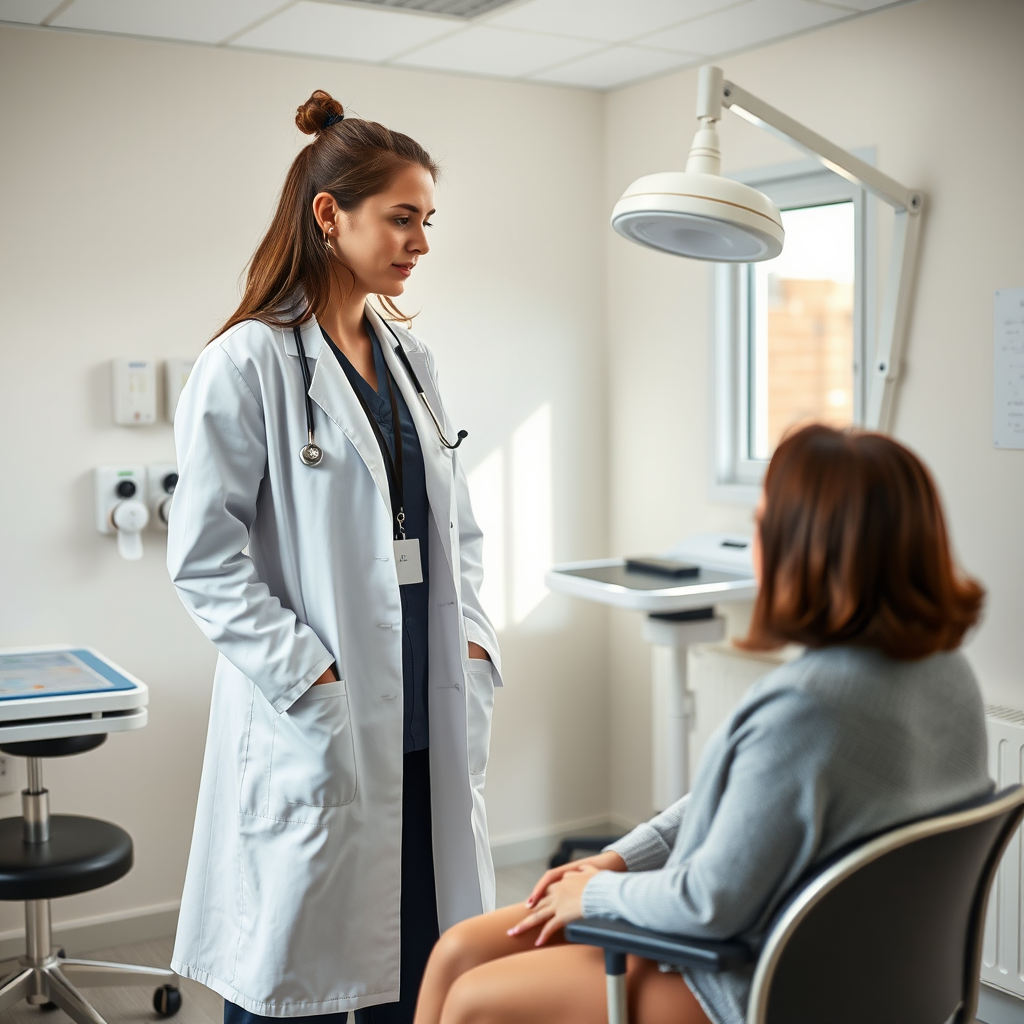

A medical professional is transforming patient outcomes by specialising in menstrual wellbeing.
Dr Nana is currently completing her fifth year of training in Community Sexual and Reproductive Health through Aneurin Bevan University Health Board. She is dedicated to enhancing treatment options for individuals affected by menstrual conditions and hormone-related mood disturbances.
Her interest in this area developed during her previous work in sexual health services in her home town of Doncaster, where she encountered numerous patients dealing with severe premenstrual syndrome and premenstrual dysphoric disorder.
The insufficient awareness and backing available for these conditions motivated her to pursue this specialised area of medicine.
She expressed that this disorder has become a significant professional interest. The symptoms can profoundly affect daily living, yet many patients report feeling overlooked or isolated when seeking help. Enhancing recognition and assistance for those affected forms a core part of her motivation.
Her advanced training in Wales commenced in 2021, with placements in obstetrics, gynaecology, and sexual health departments in Cardiff prior to transferring to the Community Sexual and Reproductive Health service at Aneurin Bevan.
She has now obtained certifications across reproductive healthcare, psychosexual medicine, and menopause management.
Her professional activities increasingly concentrate on menstrual and hormone-related mood disorders.
Her routine responsibilities encompass contraception services, sexual health provision, psychosexual medicine, and termination of pregnancy care.
She also contributes to research initiatives at national level and coordinates a regional programme aimed at enhancing support for individuals with premenstrual syndrome and premenstrual dysphoric disorder.
She explained that establishing an environment where patients feel genuinely heard and supported represents the most valuable aspect of her position. Sexual and reproductive health involves deeply personal matters, and each person’s experience deserves consideration. Women’s health, particularly premenstrual syndrome and premenstrual dysphoric disorder, still requires substantially greater attention and understanding. She remains dedicated to bridging this shortfall through her clinical practice, investigation work, educational activities, and by equipping individuals to comprehend their symptoms and effectively communicate their needs.
Teaching and knowledge sharing form an essential component of her activities. She participated in a national symposium focusing on premenstrual conditions and provided instruction to community pharmacists regarding menstrual wellbeing and contraceptive options.
These initiatives advance her objective of building comprehension and assurance throughout the broader health service.
Through direct patient care, investigation, and teaching, Dr Nana maintains her efforts to progress the field of menstrual and hormonal health.