
Catherine Fookes MP has contacted the UK Government requesting that the River Wye be treated as an urgent priority as she pushes forward with her efforts to improve water quality in British rivers.
In recent years the River Wye has featured in news reports due to pollution concerns and faced legal proceedings following grievances submitted by local residents.
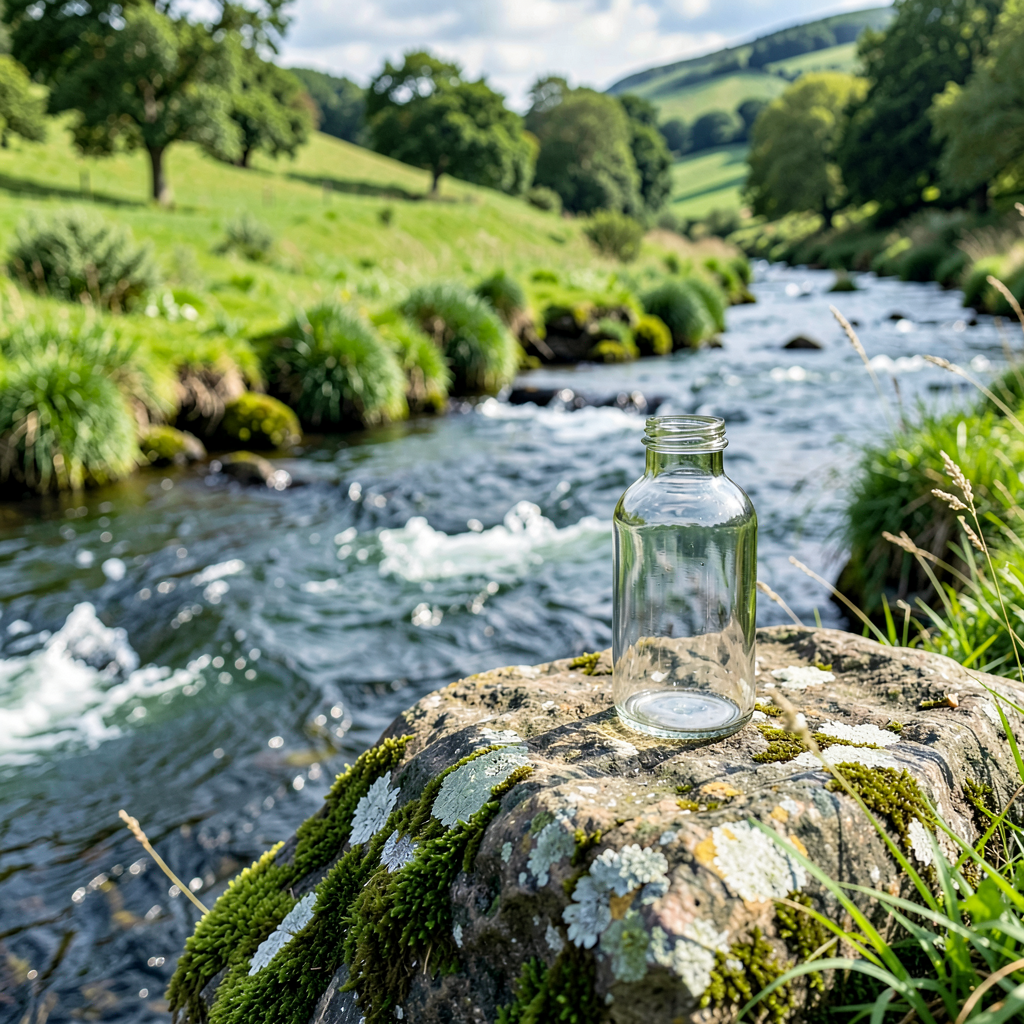
The River Wye ranks as the fourth-longest waterway in the United Kingdom, extending 155 miles from its origin at Plynlimon in central Wales to where it meets the Severn Estuary close to Chepstow. It functions as a natural dividing line between England and Wales and passes through impressive scenery including the Wye Valley National Landscape.
Following her official correspondence to Environment Minister Emma Hardy, Catherine Fookes is now calling on the Government to implement immediate measures.
Mrs Fookes explained that she had contacted the new Environment Minister pressing for the protection of the River Wye to be treated as a priority. She noted she was conducting a campaign to improve the condition of British rivers and through this initiative was appealing to the UK Government to establish a Water Protection Zone covering both the English and Welsh sections of the river, which would assist in addressing pollution, limiting soil erosion and providing enhanced safeguarding for this renowned waterway. She additionally asked for a gathering with the Minister alongside representatives from the Wye Catchment Partnership to explore collaborative approaches for delivering the protection the river urgently requires.
When Mrs Fookes previously raised this matter in Westminster during the previous month, Mrs Hardy responded that she acknowledged all the significant effort her colleague had invested in this meaningful campaign and how deeply she cared about preserving this attractive river. She stated that they would persist in collaborating with the Environment Agency to examine every available option, which certainly included a water protection zone. She explained that any such designation would need to be based on evidence and carefully targeted to guarantee appropriate measures were implemented to effectively address pollution and achieve sustained enhancements to water quality.