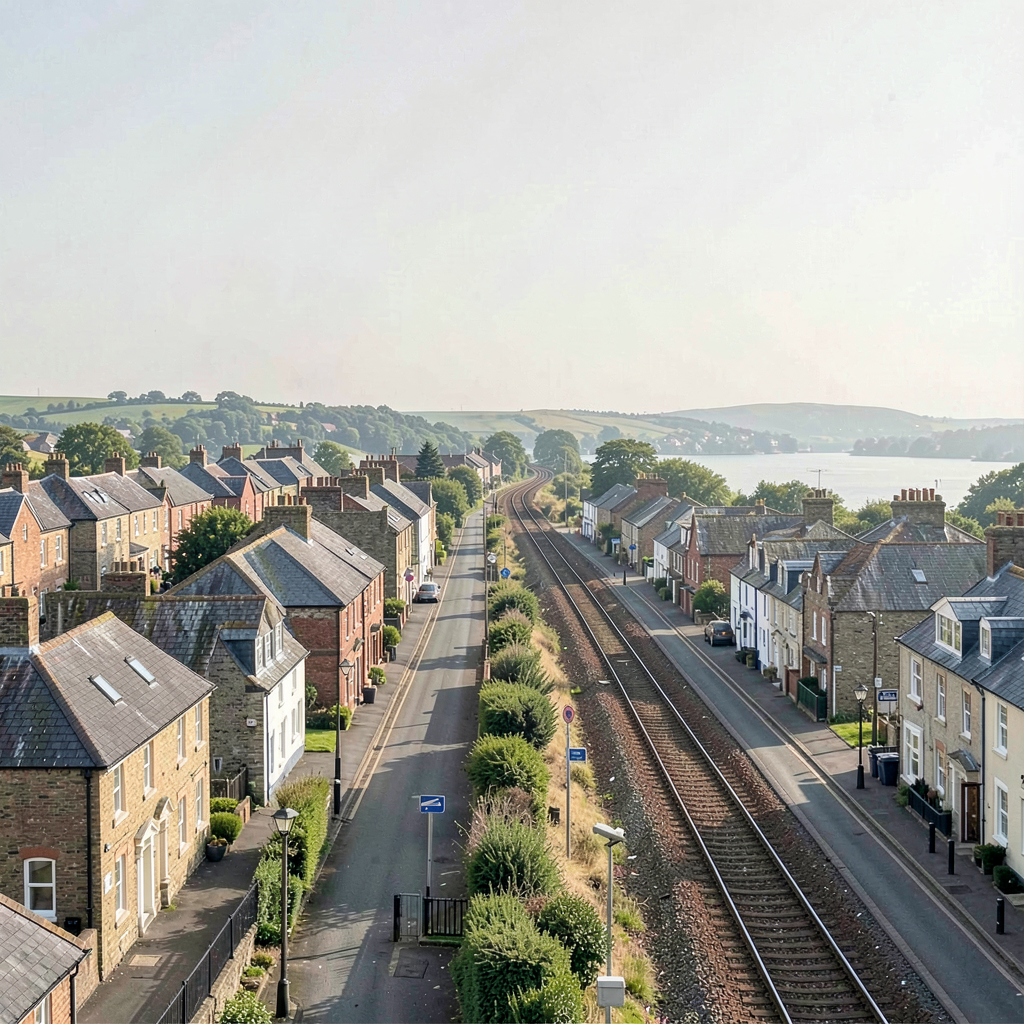

Dense haze has settled over sections of Newport and Gwent this morning as blazes continue to rage throughout the area, with some locals reporting difficulty breathing.
The atmospheric conditions were especially evident in Newport, where the smog stretched across the town centre and the vicinity of Newport railway station.
Motorists have noted impaired sightlines on highways, while those passing through the city have spoken of a pungent odour of burning filling the atmosphere.
Local communities in districts such as Bettws, Malpas, Ringland, Lliswerry, Maindee, Caerleon and Llanmartin have reported that the acrid scent grew stronger overnight and through the small hours.
Certain individuals described waking with persistent coughs or irritated eyes, while others confessed they initially suspected their residences were ablaze given the intensity of the odour.
M Cwmbran has likewise cautioned shoppers that substantial atmospheric contamination is impacting the town centre owing to countryside fires in the surrounding region. The retail complex continues trading, though patrons are being asked to exercise heightened vigilance, especially those with sensitivity to atmospheric pollutants.
Atmospheric contamination has also been logged throughout Cwmbran, Pontypool, Risca, Chepstow, Caldicot, Abergavenny, Tredegar, Brynmawr, Ebbw Vale and Caerphilly.
Fires persist
The atmospheric haze is thought to stem from multiple countryside fires burning throughout Gwent, including the sustained upland blaze near Llangynidr Reservoir adjoining Ebbw Vale.
Members of the public have additionally described observing fierce flames following what seemed to be a resurgence in forested land close to Blaenavon.
Fire crews have been managing numerous countryside fire occurrences throughout South Wales, with atmospheric pollutants dispersing widely as wind patterns shift.
Upland and forested blazes can keep generating atmospheric haze even after visible burning has subsided.
Residual heat can linger within vegetation, peat and subterranean hotspots, potentially reigniting when conditions turn arid or gusts expose the material to fresh air.
Atmospheric haze does not automatically indicate a nearby ignition, as it can traverse considerable distances before collecting in lower-lying communities and valleys.
Guidance for locals and road users
Those detecting the scent of burning should:
Maintain shut windows and external doors where feasible.
Refrain from vigorous outdoor exertion should the haze prove especially thick.
Have asthma, COPD or other prescribed respiratory treatments readily accessible.
Obtain medical guidance should breathing difficulties, chest discomfort or symptoms deteriorate.
Ring 999 should there be an imminent threat to life or property.
Road users ought to reduce speed, engage dipped headlights where visibility is compromised and maintain additional separation from vehicles ahead. Refrain from halting in perilous spots to capture images or observe the conflagration.
Members of the public are also implored to abstain from operating drones near fire locations, as these can obstruct aerial firefighting operations and emergency activities.
Emergency responders continue their efforts throughout the area.