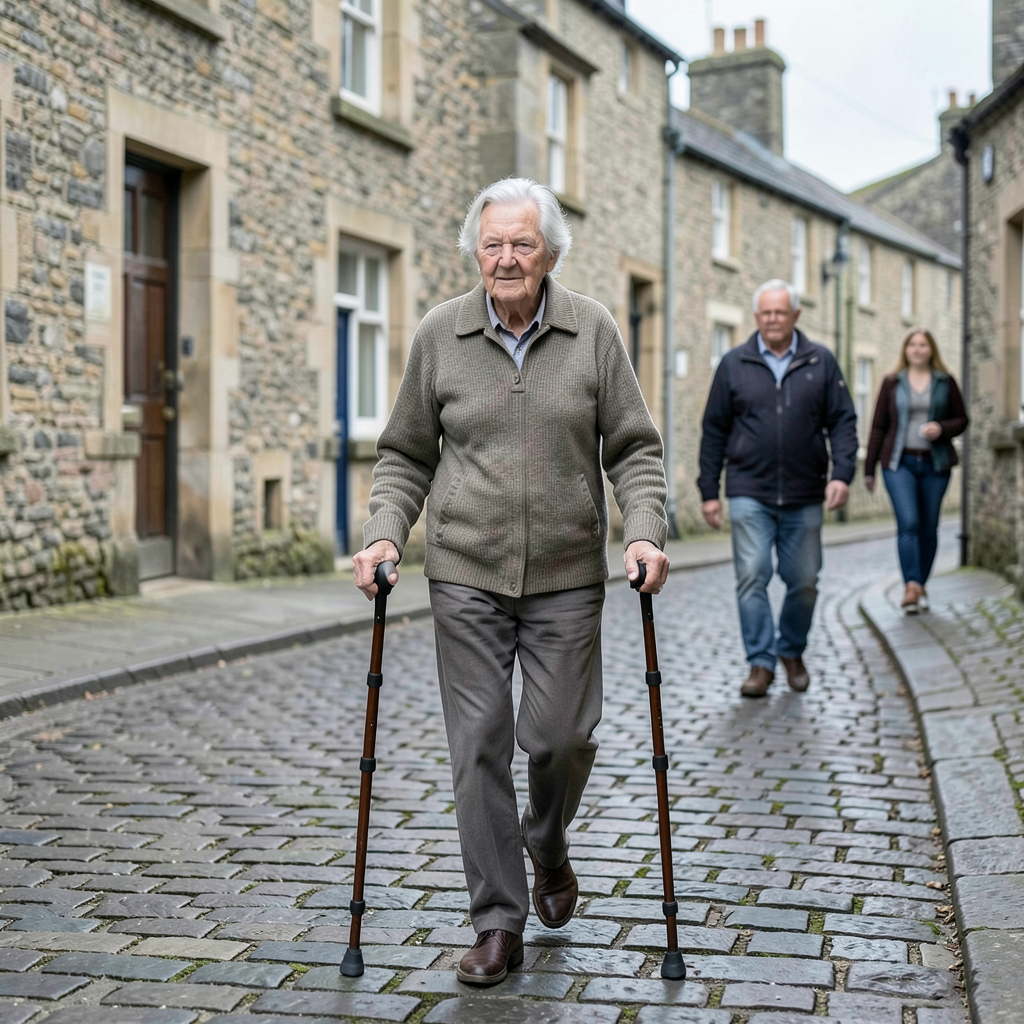

Elderly residents throughout Wales, those residing in Gwent among them, are encountering obstacles that prevent them from living independently and enjoying a good quality of life.
The Older People’s Commissioner for Wales, Rhian Bowen-Davies, has highlighted that these difficulties stem from deficiencies within the social care framework revealed through fresh research.
The investigation drew upon responses from 268 individuals throughout Wales, uncovering a system described as disjointed, marked by inadequate information sharing, waiting periods and insufficient collaboration between services.
According to Ms Bowen-Davies, social care serves an essential function for countless older individuals in Wales, providing vital assistance that ought to allow people to reside safely without assistance and experience the highest attainable standard of living.
However, concerns regarding social care are regularly brought to her attention through the Advice and Assistance Service and during gatherings with communities, suggesting that in numerous instances the reality of people’s experiences fails to meet the expectations established by the policies and laws currently in place in Wales.
Those who contributed included elderly individuals currently receiving support alongside unpaid relatives and companions who provide care.
The commissioner presented her conclusions to the Welsh Government, council bodies, health trusts and Regional Partnership Boards.
She advocated for immediate steps across multiple domains to enhance care provision, recognising that fundamental transformation, while necessary, will require considerable time to achieve.
Ms Bowen-Davies stated that her aim was to examine more thoroughly the practical everyday experiences of older citizens to identify where improvements and intervention might be required, and she expressed gratitude to all who participated.
She noted that while many contributors commended the dedication of care workers, ongoing problems were continuing to affect people’s wellbeing and their capacity to remain self-sufficient.
The document highlights shortcomings in how information is exchanged, postponements in when services reach people, and the considerable strain placed on family members and friends who provide unpaid support.
It further observes that the perspectives of elderly individuals frequently fail to appear in care evaluations and formal documentation, prompting questions about whether services are genuinely shaped by those who rely upon them.