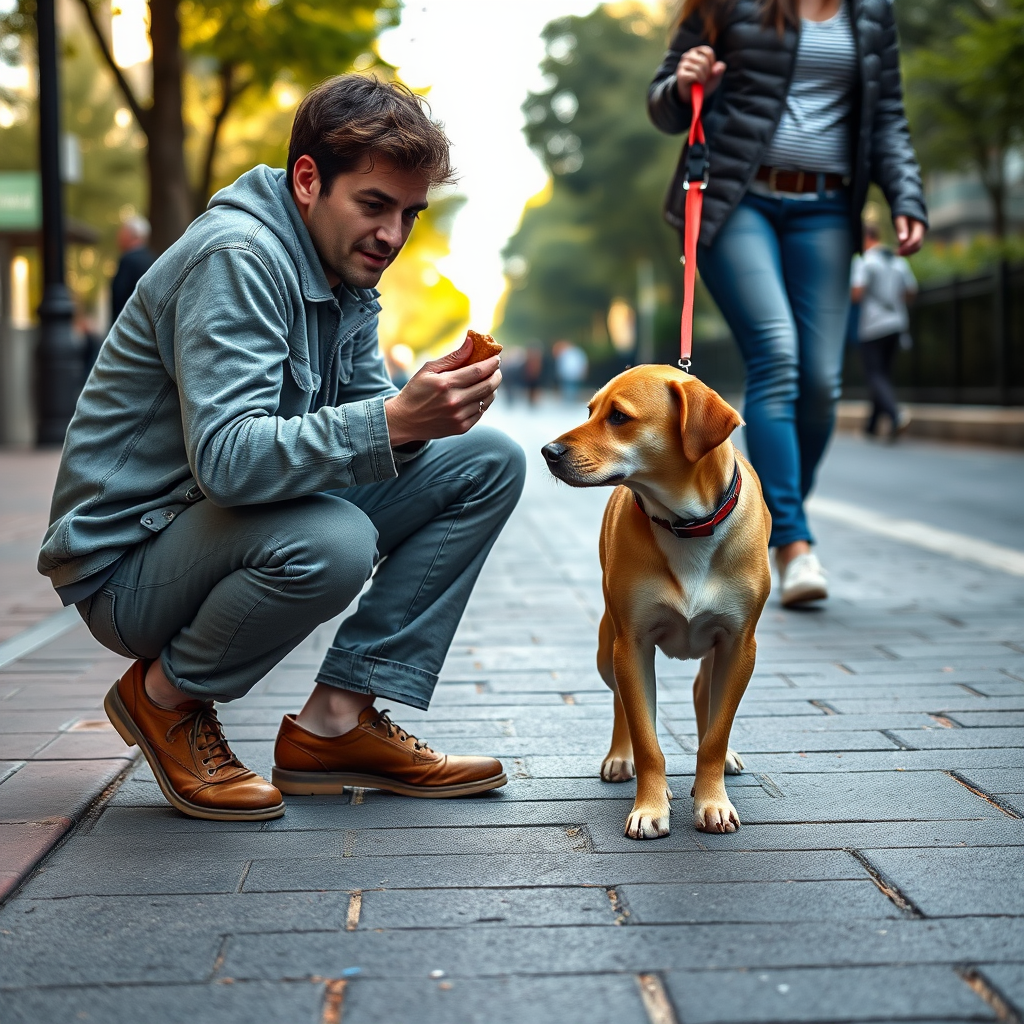

Animal welfare specialists are cautioning that snacks provided by members of the public could present risks to dogs.
Studies show roughly one in five British dog owners indicate their companions regularly receive or are presented with treats by unfamiliar individuals, often without the guardian’s permission. This data stems from research carried out by Opinium on behalf of Insure Your Paws.
The investigation, which consulted 1,000 animal keepers throughout the United Kingdom, also discovered that six percent of cat owners suspect their feline companions might be obtaining nourishment from neighbouring residences.
Insure Your Paws’ pet division head Andrew Simpson stated that while Britons are recognised for their fondness for creatures, members of the public ought to think twice before offering sustenance to animals that are not their own.
He clarified that even tiny portions can generate difficulties for creatures managing dietary limitations or sensitivities.
Overindulgence in feeding results in considerable wellbeing concerns and could shorten an animal’s lifespan. This proves particularly worrying for pets suffering from health issues requiring specialised nutritional plans.
Simpson highlighted that those responsible for animal care place great importance on their charges’ health, therefore uninvited provisions from third parties, irrespective of the giver’s benevolent motives, may undermine those careful considerations.
He observed that preventive medical approaches and consistent feeding schedules considerably affect an animal’s general condition and years of life.
Simpson further recommended that pet guardians stay cognisant that despite their vigilance, unexpected health matters may still emerge.