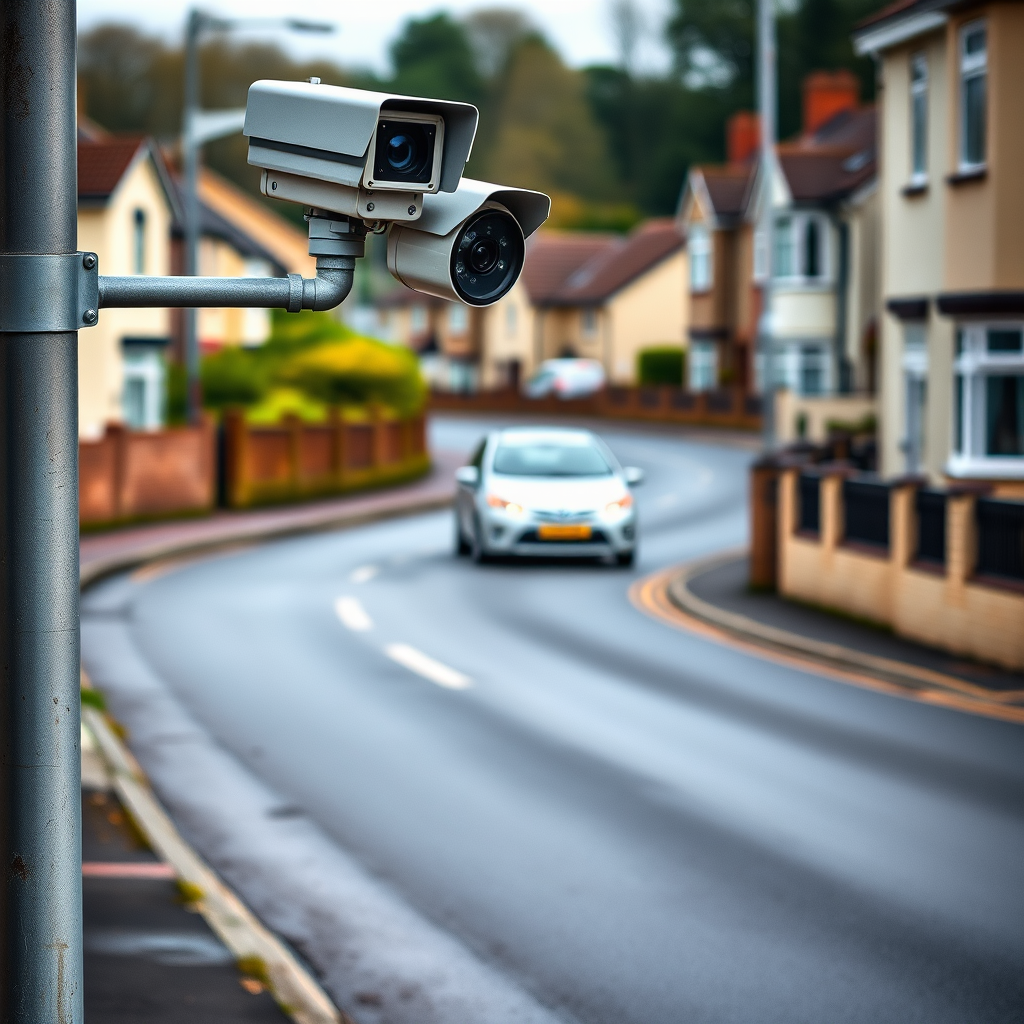

According to the relevant Road Traffic legislation, speedometers in vehicles are permitted to have an error margin of ten percent either above or below the displayed speed.
This means travelling at 22mph falls within the legal limit when the posted speed restriction is 20mph.
For measurements to be considered valid, speed detection equipment must also meet national calibration requirements established by UKAS, the United Kingdom Accreditation Service. I myself am a former member of this organization.
To my knowledge, no manufacturer currently produces speed measurement instruments that satisfy these strict calibration requirements. Every MOT Certificate issued prior to February 1989 was technically invalid under the law.
The 1956 MOT Act mandated that braking performance must be assessed using a decelerometer traceable to national calibration standards. I performed the inaugural lawful calibration of such a decelerometer for MOT testing purposes on February 12, 1989. The methodology I developed has since been adopted as the official British National Standard.
Individuals who received penalties for travelling at 22mph in a 20mph zone may be eligible for compensation and have their records corrected. Achieving accuracy within one percent is essentially unattainable with any speed detection equipment, as the required correction factor of K=2 precludes this level of precision.
Ken Bowen
Newport