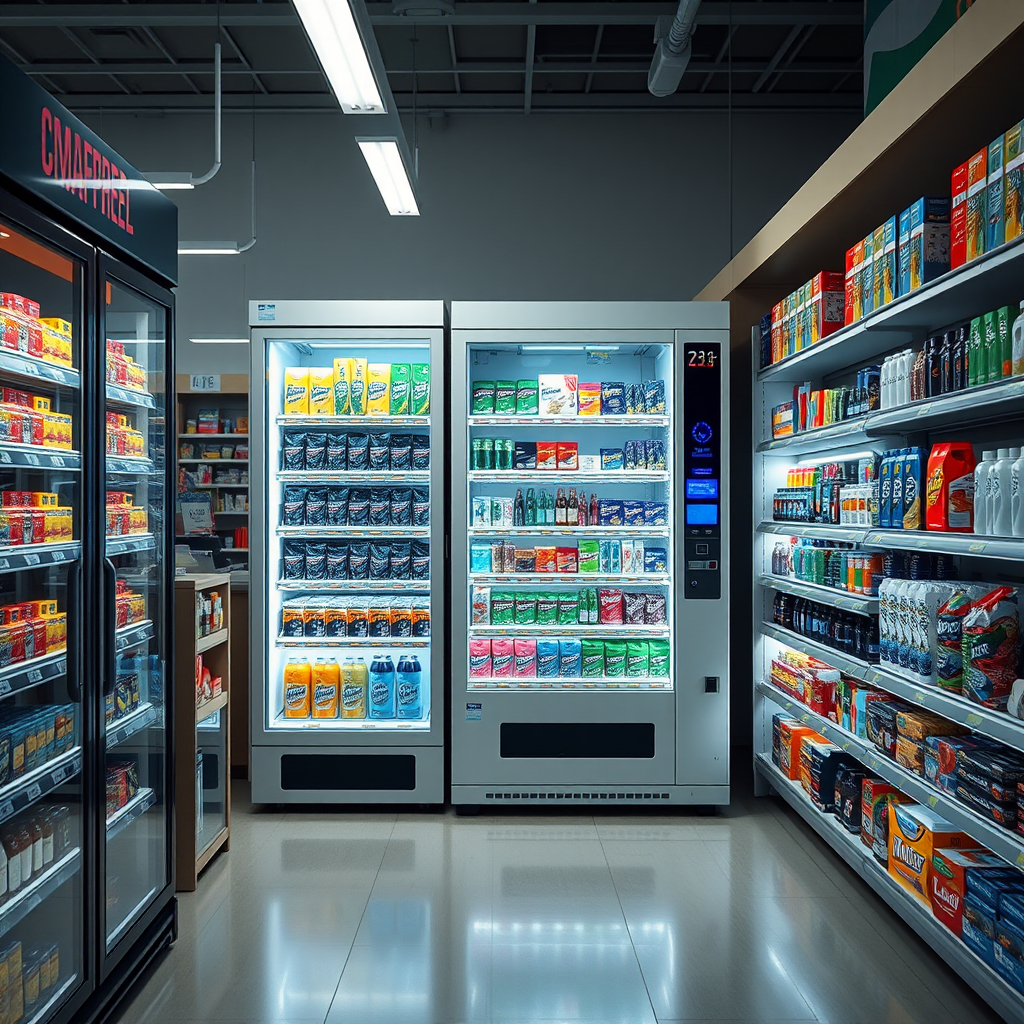

The supermarket chain is looking at whether automated dispensing units could be placed throughout its shops as a way to address persistent theft of particular products.
This move comes after a test run of such equipment at one of its outlets in Ashton-under-Lyne, located in Greater Manchester, which began in 2024.
Should this approach be rolled out more widely, merchandise including batteries, razor blades and fragrances could be relocated from traditional shelving into these automated units.
These particular goods face elevated theft risk because organised criminal groups find them simpler to shift through illegal channels.
Could self-service dispensing units provide a solution to retail theft? That is precisely what this major retailer is now investigating to combat escalating shoplifting. Batteries, razor blades, fragrances… compact products moved from display areas into automated systems instead.
The Ashton-under-Lyne branch currently using the equipment employs it for the sale of vaping products and tobacco.
As things stand, the company says there are no short-term intentions to extend the scheme to additional branches.
How would such equipment function?
Should the machines be fitted, shoppers would make their selection via a display panel and subsequently obtain a slip to present at the checkout.
After paying, they would be issued with another slip, which could then be used at a dispensing unit to retrieve the purchased item.
According to reports, company executives discussed the concept with employees during a gathering in March.
They indicated they were evaluating possibilities for automated units containing merchandise with elevated theft rates.
No firm choices have been reached regarding which products would feature in such equipment, and there are no upcoming arrangements for implementation.
In a communication, an Asda representative stated that the company consistently evaluates innovative concepts that might enhance the experience of shoppers and workers while in branches.
However, there are no current plans to install additional automated dispensing units for any goods in its shops while an existing trial at the Ashton branch continues.
Rival retailers have also experimented with comparable technology, including Morrisons and Sainsbury’s.
The approach is more prevalent throughout mainland Europe, especially in Norway and Sweden, where it stocks goods such as medicines and mobile phone vouchers.
Research collated by the British Retail Consortium revealed 5.5 million documented shoplifting occurrences the previous year, resulting in losses to retailers approaching £400m.
The consortium noted, though, that the actual figure was probably greater since retail outlets were not consistently logging or aware of every incident.
Retail businesses have allocated more than £5bn over the past five years towards strengthening security arrangements, channeling funds into expanded CCTV networks and personnel positioned at entrances.
Nevertheless, shops are experiencing growing apprehension about employees being drawn into confronting offenders.