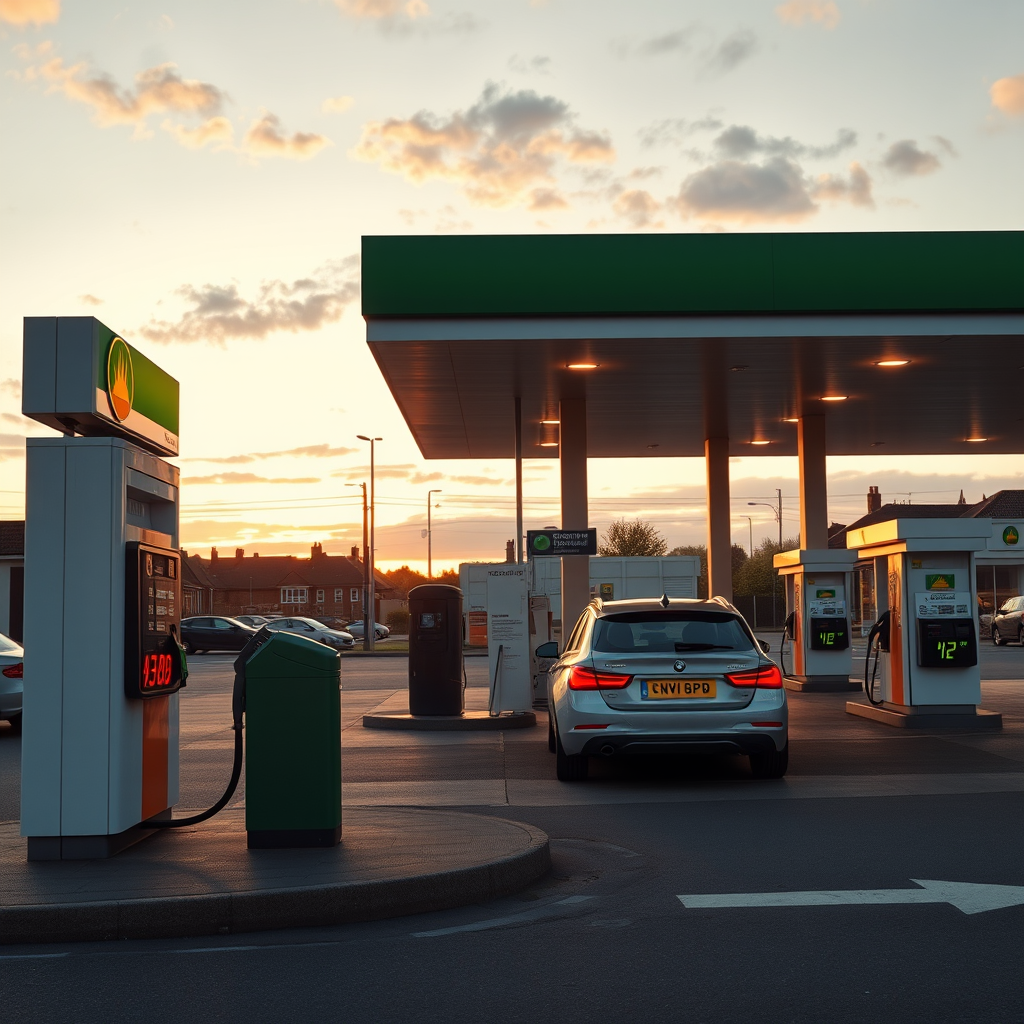

Drivers are facing rapidly rising fuel bills, with prices increasing sharply over recent weeks and pushing the cost of filling a family car back above the £100 mark.
Recent data shows the impact of global supply disruption caused by the Iran conflict, with petrol, diesel and heating oil all seeing significant increases.
The average price of unleaded petrol has hit 148.8p per litre, having risen by:
4.6p in just one week
16.6p since the beginning of March
Around 13 percent overall
This marks the highest cost recorded since May 2024.
Diesel prices have climbed even faster, now at 176.5p per litre:
A 9.6p increase from the previous week
A 34.4p rise since early March
A 24 percent jump
This puts diesel at its most expensive point since December 2022.
Independent daily monitoring shows rates are even higher, with petrol above 152p and diesel nearing 183p per litre.
£100 tank fill
The surge means filling a typical 55-litre family vehicle now costs £100.52.
This is the first time drivers have gone over the £100 threshold since late 2022, showing how quickly costs have escalated.
Motorway service stations and urban areas tend to charge more, while supermarkets and regions with stronger competition typically offer lower prices.
Alicia Hempsted, Car Insurance Expert at MoneySuperMarket, explains the benefits of checking fuel prices. Comparing petrol or diesel costs before refuelling offers a straightforward method to help reduce ongoing expenses. She notes that prices can differ by several pence even within the same neighbourhood, so taking time to compare could prevent overspending. She adds that as households grow more mindful of their budgets, minor savings accumulate over time. Saving 5p per litre could mean up to £156 annually for drivers who refuel regularly.
Motorists already paying hundreds of millions extra
The increase is affecting not just individuals but building up nationally.
Calculations show drivers have already spent an additional £544 million on fuel since late February:
£409 million extra on diesel
£135 million extra on petrol
This illustrates the collective impact of pump price rises compared with pre-conflict levels.
Heating oil costs double
Heating oil has seen among the sharpest increases.
Current figures show:
Average cost at 104.1p per litre in March
Almost double February levels
The highest since records started in 1989
Gas oil, commonly used in commercial and agricultural sectors, has also jumped significantly:
A 51 percent monthly rise
Reaching 99.5p per litre
The reasoning behind the increases
The rises follow disruption to global energy supplies after the Iran conflict, which began in late February.
Fuel costs had previously fallen from their 2022 peaks but are climbing once more, raising concerns about additional cost pressures for households and businesses.
The speed of these increases means many drivers are only now starting to feel the full impact.
Since fuel expenses affect transport and household costs, the current surge threatens to push everyday spending even higher in the coming weeks.