
Bird keepers throughout Wales are being urged to adopt comprehensive biosecurity measures to prevent the spread of avian influenza.
Both commercial enterprises and amateur enthusiasts maintaining birds must follow stringent biosecurity rules to help stop transmission of the disease.
Dafydd Jarrett, holding the position of National Food and Farming Adviser at NFU Cymru, explained that H5N1 represents the most fatal and persistent strain of bird flu witnessed in the United Kingdom. Maximum biosecurity protocols are crucial for keeping it contained. He noted that commercial poultry farmers have successfully implemented these measures, which has fortunately led to only a small number of outbreaks occurring in Wales. However, with the pathogen present in wild bird populations and as little as a single tablespoon of contaminated faeces having the potential to infect one million birds, constant watchfulness remains essential. Industry members should refer to official guidance documentation and regularly apply advised procedures on their individual holdings.
Since November 2025, mandatory indoor confinement regulations have been in place across Wales for flocks comprising 50 or more birds, as well as smaller groupings where eggs or poultry products are sold or distributed for commercial gain.
Ian Jones, leading the Hafren Veterinary Group, stressed how vital rigorous biosecurity protocols are for disease prevention.
According to Mr Jones, housing birds indoors reduces the probability of acquiring avian flu by half. Establishments adhering to the strictest biosecurity standards encounter substantially diminished odds of suffering an outbreak.
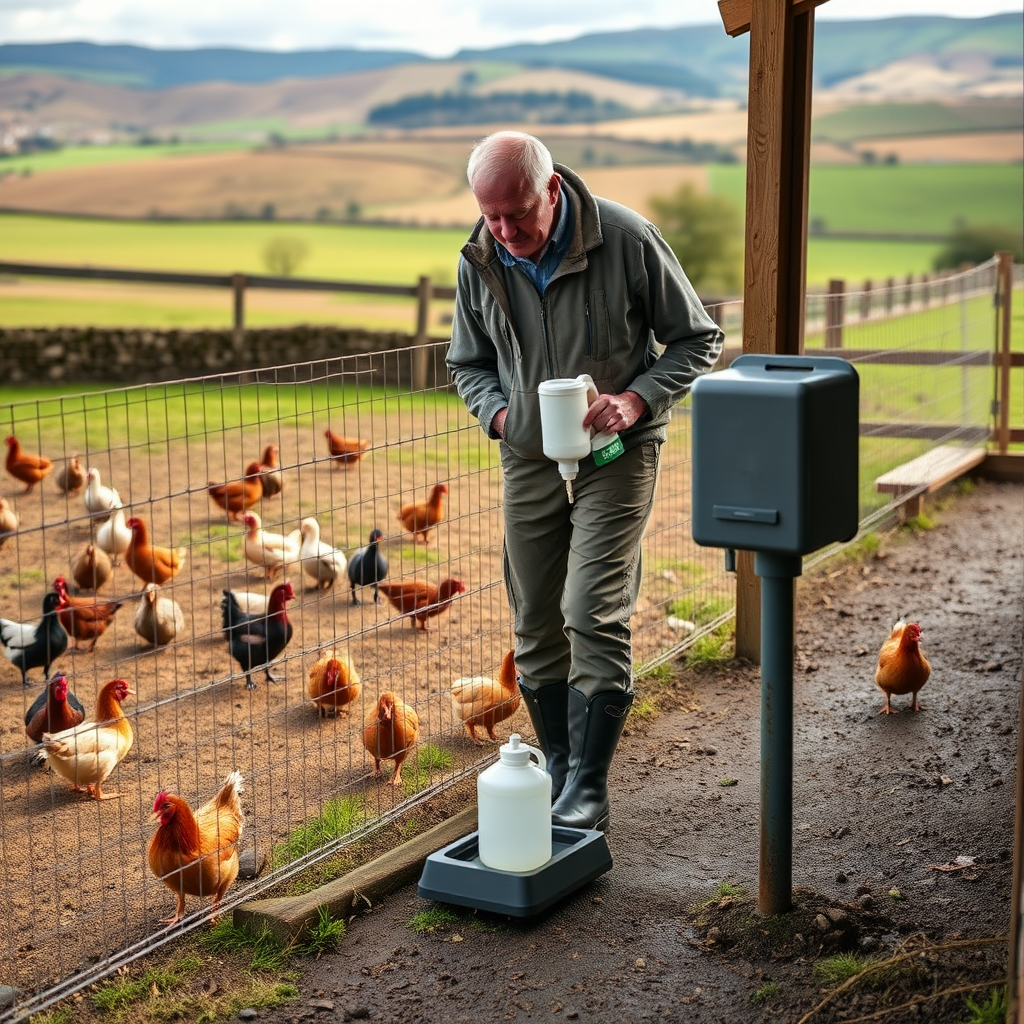
Those maintaining poultry should limit movement into and out of bird housing areas, disinfect footwear frequently, ensure enclosures remain sanitary, and prevent wild birds from gaining access to spaces where poultry is housed.
Remaining alert to warning signs of illness—including swollen heads, breathing difficulties, watery faeces, reduced egg production, or unexpected deaths—is also recommended.
Any suspected infections must be reported without delay to the Animal and Plant Health Agency using the number 0300 303 8268.