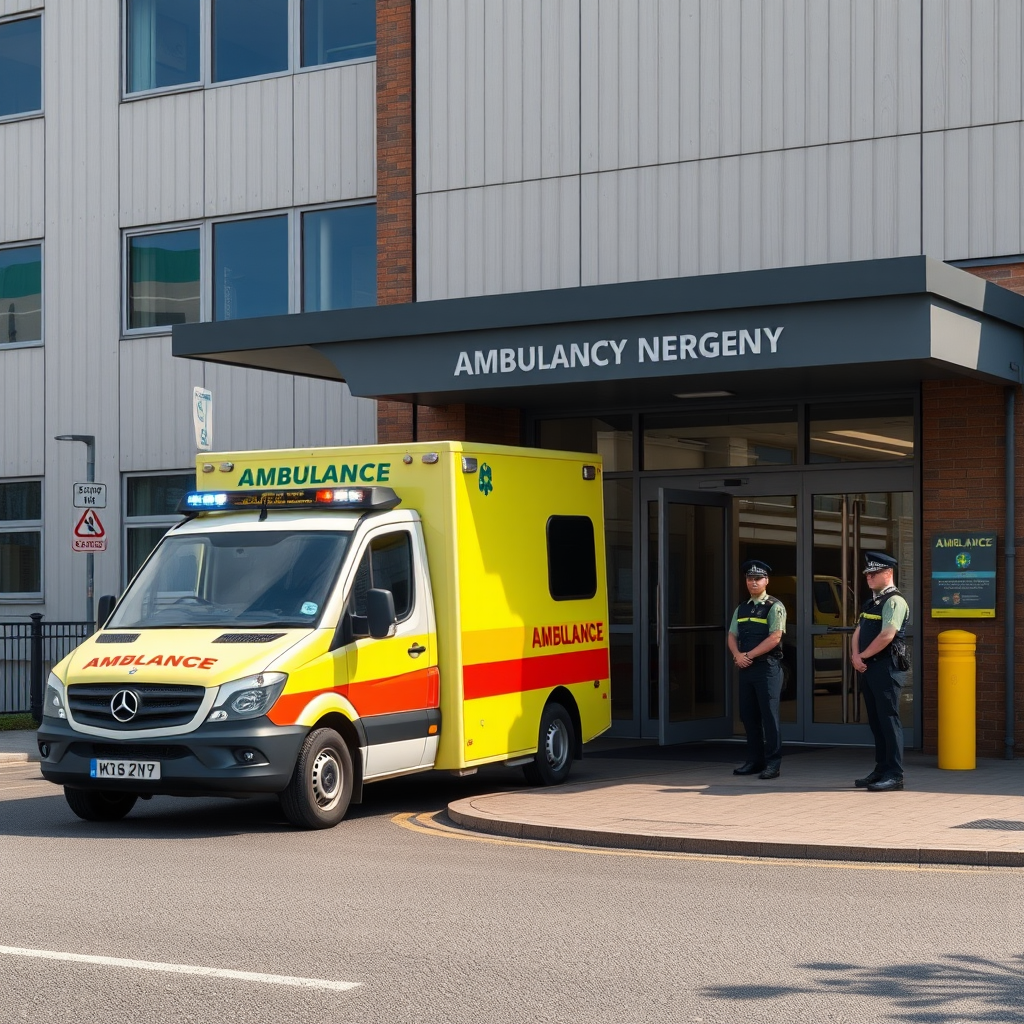

The Welsh Ambulance Service has called on members of the public to use the 999 emergency number only when truly necessary.
As the four-day Easter Bank Holiday weekend approaches, health officials anticipate significantly increased demand on emergency services and are urging people to limit 999 calls to genuine life-threatening emergencies only.
Judith Bryce, the trust’s assistant director of operations, explained that staff are preparing for a period of heightened activity and requested community support to ensure crews remain accessible to those facing the most critical conditions.
She noted that during last year’s Easter festivities, call volumes to the 111 helpline rose by 44 percent when compared with the equivalent period the week prior. This trend was welcomed, as it demonstrates that individuals are appropriately selecting the non-emergency service for less serious health concerns, thereby preserving paramedic capacity for patients requiring immediate intervention.
Bryce emphasised that dialling 999 for situations that do not constitute genuine emergencies could result in critical time and resources being diverted away from individuals in urgent need of medical assistance. She also pointed out that being transported to hospital by ambulance does not guarantee faster assessment in the accident and emergency department.
The service is encouraging residents to gather any repeat prescriptions they may require throughout the holiday period, maintain adequate supplies of essential wound care products, and explore alternative NHS services when their condition does not warrant emergency attendance.
For non-urgent medical enquiries, the public can access guidance through the NHS 111 Wales online platform or utilise Albot, the Welsh NHS digital assistant tool. High street pharmacies and local minor injury units also provide suitable alternatives for less serious health issues.
The trust has further advised revellers to consume alcohol in moderation, arrange sober transport home in advance, and under no circumstances operate a vehicle after drinking or taking substances.
Community members are also asked to maintain contact with older or vulnerable friends and neighbours during the extended break to verify they possess necessary medications and adequate support arrangements.