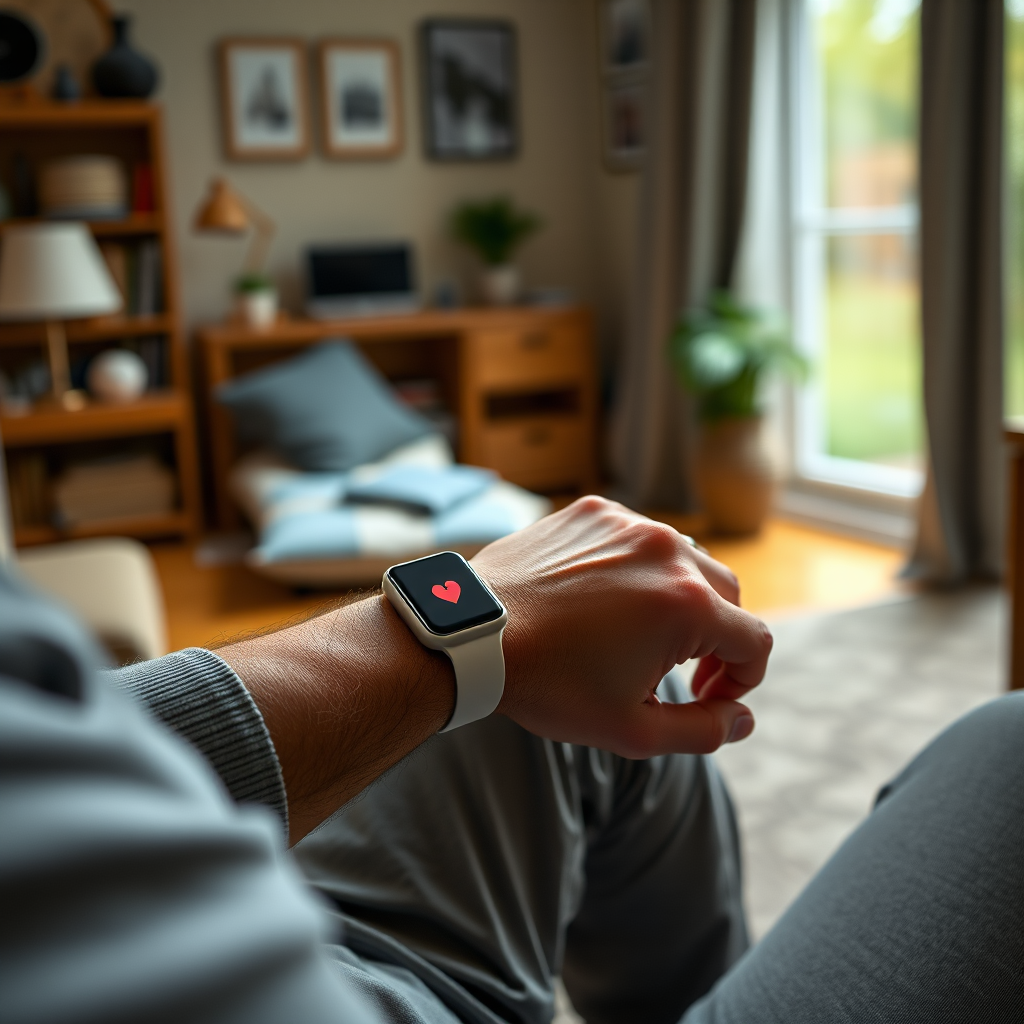

Britons are being alerted to a concealed cardiac condition that can prove fatal without any prior indication. Yet wearable technology could identify this problem first.
Medical professionals have highlighted how these devices can recognise minute alterations in heart rhythm ahead of visible warning signs, potentially averting serious complications such as stroke.
According to Dr Shireen Emad, a general practitioner collaborating with Watches2U, one of the most valuable yet frequently disregarded features of wearables is their capacity to identify abnormal heart rhythms.
She explained that these devices occupy a spectrum of functionality, with detecting irregular cardiac rhythms such as atrial fibrillation being among the most clinically beneficial capabilities.
This disorder, commonly abbreviated to AF, impacts heart function and may lead to severe outcomes if left undetected.
Understanding atrial fibrillation
The condition arises when the heart maintains an unsteady and frequently accelerated pace, preventing effective blood circulation.
The peril lies in its subtlety, as numerous individuals display no apparent indicators, allowing the disorder to remain undiscovered for extended periods.
Dr Shireen noted that numerous people could be living with atrial fibrillation without awareness until experiencing a cerebrovascular event. She described how the heart fails to contract effectively, instead trembling which allows blood to stagnate and form clots.
These obstructions may subsequently travel to the brain, substantially elevating stroke vulnerability. Early identification enables interventions such as anticoagulant medication, which can diminish this hazard, she added.
How wearables might protect you
Unlike isolated electrocardiogram examinations, these devices provide ongoing cardiac surveillance, increasing the likelihood of recognising irregularities across time.
An individual might undergo an ECG at a single point and receive a normal result because certain patients experience intermittent episodes of atrial fibrillation, Dr Shireen explained. A wearable tracks an individual’s baseline and can identify when something deviates significantly.
While these gadgets cannot substitute professional medical assessment, they function as preliminary alert mechanisms. They do not deliver clinical-grade analysis but excel at recognising trends and signalling when something appears amiss, she noted.
Warning indicators and subsequent steps
Although atrial fibrillation may present without symptoms, some individuals might experience accelerated or erratic heartbeats, sensations of heart pounding, breathing difficulties, exhaustion or vertigo.
Nonetheless, Dr Shireen emphasised that notification alerts from wearables warrant attention even absent accompanying symptoms.
She advised consulting a family doctor whenever the device highlights anything atypical. Patients are not expected to analyse this information independently, though it can effectively prompt medical evaluation.
Ultimately, while numerous users prioritise fitness monitoring, the genuine value of these devices may reside in their potential to identify health concerns at an early stage.
Dr Shireen concluded that these tools do not aim to substitute medical professionals but can fulfil a significant function in early detection, which in certain instances could prove transformative.