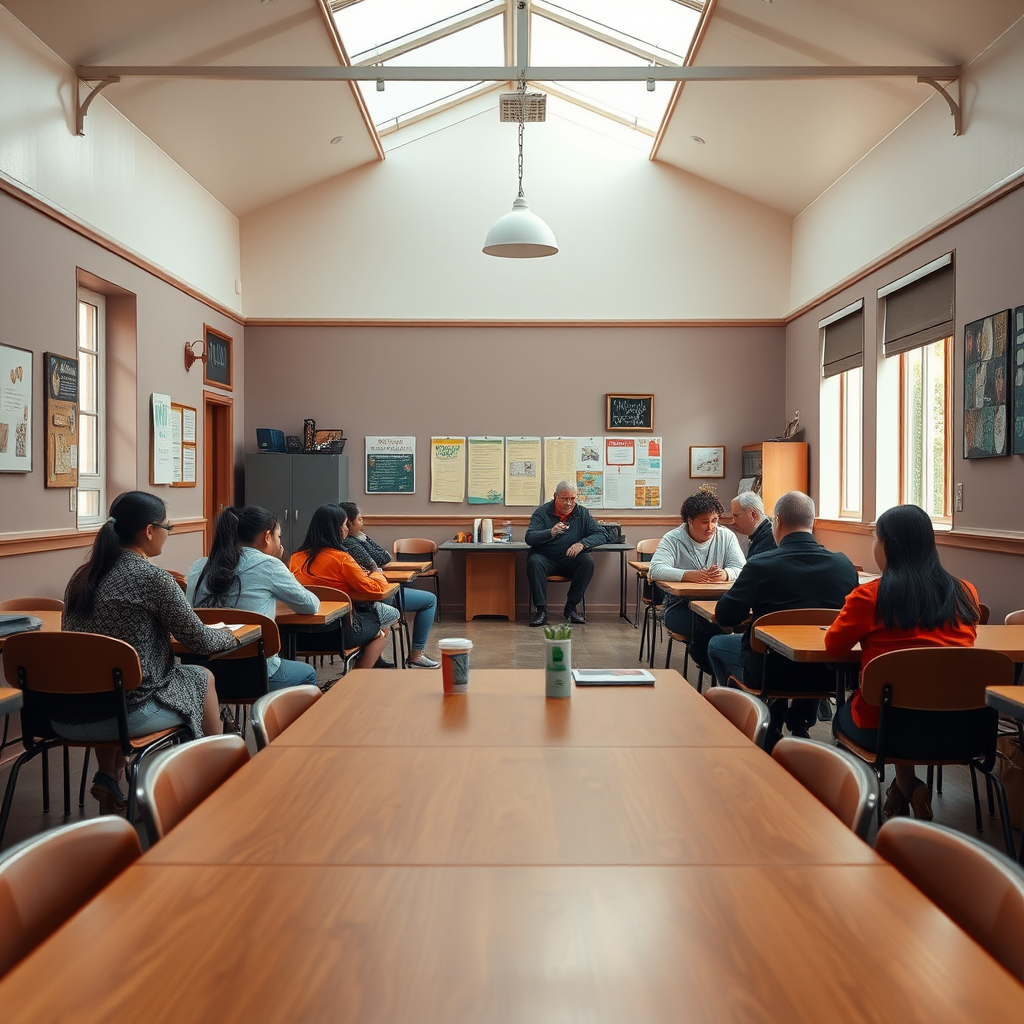

Community House operates as a charitable organisation in Newport, providing services to children and young people aged between six and 25 years old. Following the pandemic, the initiative shifted from conventional youth club activities towards crisis intervention, with primary emphasis on assisting young people and families experiencing difficulties meeting fundamental requirements.
The organisation forms part of the Homewards Newport coalition, affiliated with the Royal Foundation of the Prince and Princess of Wales, which seeks to ensure homelessness remains uncommon, short-lived, and does not recur. Collaboration occurs with numerous talented individuals and organisations throughout the area, though assisting homeless young people and families is not a novel endeavour for this group. Community House has witnessed numerous instances of homelessness that could have been avoided. The organisation maintains that one contributing factor stems from limited employment prospects arising from inadequate educational achievement, which appropriate targeted assistance could have prevented.
Considerable experience has been accumulated working with young people who face difficulties controlling their anger, frequently resulting in breakdowns of school placements. These young individuals are frequently labelled as beyond help, a perception that persists throughout their progression into adult life. Following exclusion, numerous young people find themselves unable to obtain qualifications, which subsequently adversely affects their employment prospects.
Certain young individuals demonstrate limited comprehension of their own traumatic experiences and emotional states. Research indicates a correlation between anxiety and aggression, with academic demands and social expectations within educational environments potentially intensifying these conditions and precipitating aggressive responses. Such aggression may subsequently result in damaged relationships with teachers, fellow students, and occasionally family members. Young people who experience anxiety regarding institutional structures are particularly affected by these dynamics.
Transformation of these outcomes remains a priority, with the initiative designed to avert school exclusions whenever feasible. Throughout the preceding twelve months, youth and community practitioner Mollie has engaged with 36 young individuals across seven educational establishments, implementing a combination of conventional youth work methodologies alongside therapeutic techniques to help young people develop greater self-awareness and emotional regulation capabilities. Establishing constructive relationships within a psychologically secure environment forms a critical component, with the youth work methodology generating circumstances conducive to such development.
This provision is supplemented by an after-school activities programme serving as a link between educational settings and the wider community, with 56 children having participated to date. Every young person possesses an entitlement to recreational activities, meaning that educational, economic, or familial situations should not impede opportunities for social interaction, forming friendships, and enjoyment.
The approach employed incorporates trauma awareness and focuses on prevention as a strategy for addressing homelessness. Genuine comprehension of the factors contributing to homelessness necessitates engagement at pivotal developmental stages within young people’s lives. Collectively, these methodologies assist young people in comprehending, articulating, and managing their emotions, thereby decreasing interpersonal conflicts and diminishing the likelihood of homelessness during adulthood.