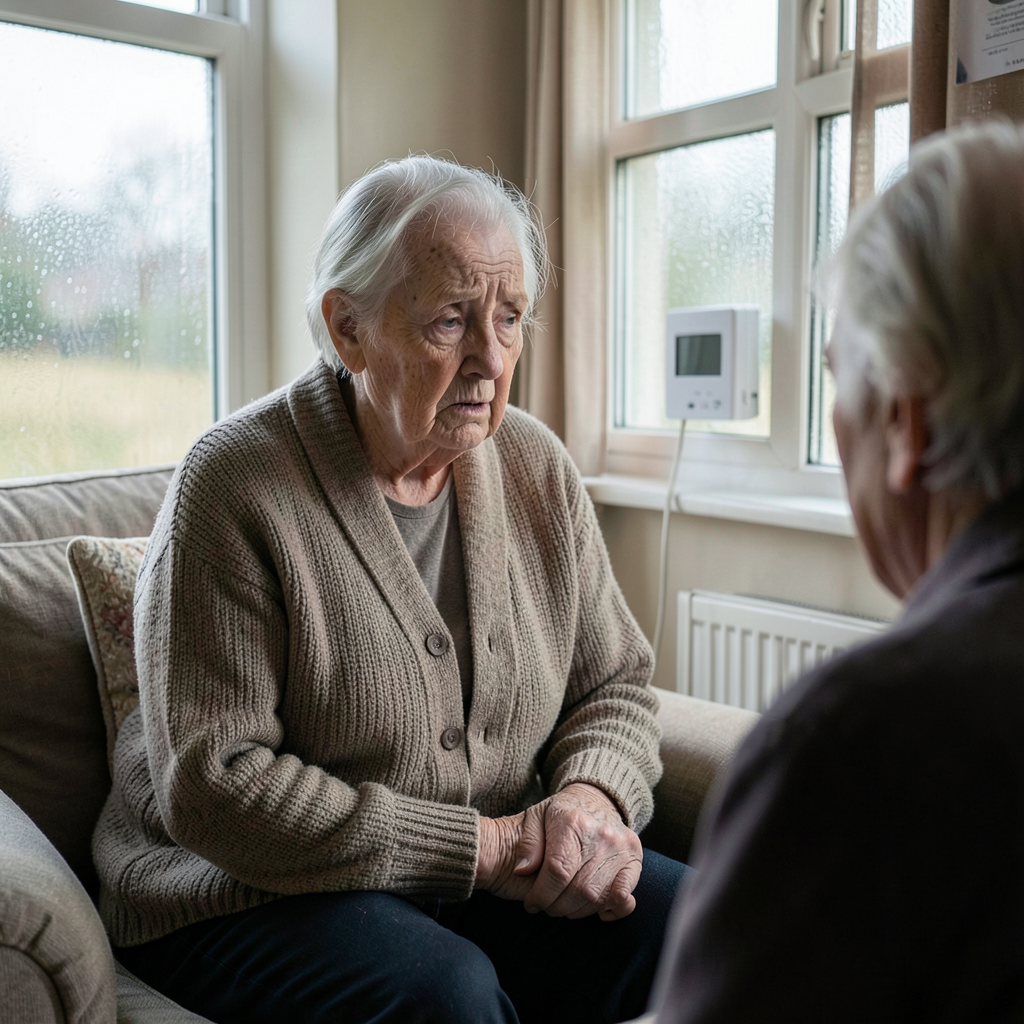

A charity supporting elderly residents in Wales has warned that escalating energy and fuel expenses are leaving pensioners and others on stable incomes with limited options as temperatures drop.
The organisation’s latest research indicates that many individuals are being forced to decide between purchasing food or heating their homes.
Age Cymru’s Counting the Cost study, based on responses from more than 1,400 people aged over 50 across Wales, found that 52 percent reported difficulties managing the cost of living.
This represents an increase from 46 percent in 2025 and a significant rise from just 9 percent in 2020.
The survey took place between 2 March and 17 April 2026.
The report examined spending across several categories, including fuel and energy, water charges, social care, and broadband services.
Energy and fuel emerged as the most frequently cited financial burden.
Among respondents who had modified their daily habits to reduce expenditure, 53 percent indicated they had scaled back their energy consumption.
Approximately 7.8 percent of Welsh households rely on oil for central heating, a figure that more than doubles the equivalent rate in England, with particularly high concentrations in countryside locations.
One Pembrokeshire resident aged 75 described anxiety about meeting household expenses over the coming months, expressing concern about how geopolitical tensions in the Middle East might drive further increases to utility charges and grocery prices.
An 85-year-old from Ceredigion explained that depending on oil for heating had resulted in a 200 percent surge in fuel expenses.
A recent delivery had cost £834, compared with £305 previously.
A Flintshire woman aged 65 discussed wearing multiple layers of clothing to minimise gas usage.
She described the previous year as particularly difficult when the Winter Fuel Payment of £200 was not received.
Weekly food budgets had been substantially reduced as prices climbed steadily.
Previously, alternatives could be found when certain foods became unaffordable, but dietary quality had deteriorated.
Maintaining good health through exercise and nutrition had previously helped avoid reliance on medication for conditions such as diabetes and high cholesterol, though this was becoming increasingly challenging.
The charity clarified that identifying details of those interviewed had been altered to safeguard their privacy.
Victoria Lloyd, chief executive of Age Cymru, acknowledged that evidence demonstrated considerable strain on older residents from the escalating cost of living.
More than one in three respondents reported purchasing less food to manage finances.
Survey data showed that over half of those implementing money-saving strategies had reduced their energy consumption.
With both food and energy prices climbing, individuals dependent on unchanging incomes faced severe constraints.
The situation frequently resulted in an impossible choice between nourishment and warmth.
Lloyd observed that colder and damp living conditions posed heightened health risks for older people.
With domestic energy costs projected to experience their most substantial annual increase in four years, the wellbeing of elderly residents throughout Wales faced genuine jeopardy.
The chief executive highlighted that many older individuals lacked digital access or confidence to search for better deals online, leaving them trapped on expensive default tariffs.
The UK Government’s decision to curb Winter Fuel Payment eligibility in July 2024 had provided little opportunity for affected households to make alternative arrangements, though most recipients eventually had the payment restored.
Age Cymru is urging the UK Government to expand the Warm Home Discount scheme and extend eligibility to include low-income households beyond those currently receiving means-tested benefits.
The charity is also calling on the Welsh Government to increase income thresholds for the Nest Warm Homes initiative, allocate additional resources to the Warm Homes Programme, and enhance support for advisory services.
Both administrations have been asked to investigate possibilities for expanding energy generation within Wales and the broader United Kingdom.
Individuals concerned about affording energy costs can contact Age Cymru Advice on 0300 303 44 98, available Monday to Friday between 9am and 4pm.
The complete report can be accessed at www.agecymru.wales.