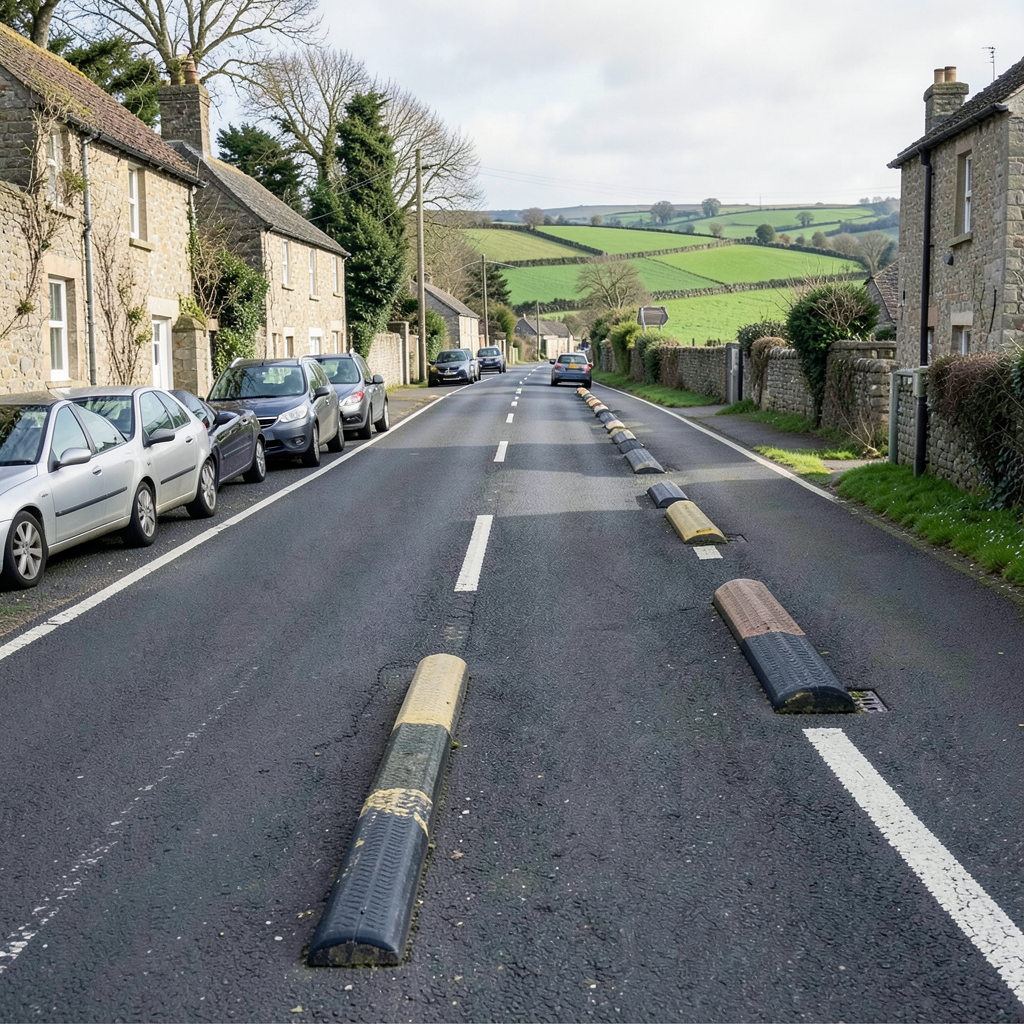

Flintshire ranks among the 10 UK local authorities that spent the most on introducing 20mph limits during the previous three years, with expenditure of £1,796,000.
The Welsh council placed eighth nationally, behind only Swansea among authorities in Wales.
Wrexham spent £1,002,040, placing it outside the leading spending group.
Data published by Confused.com indicates that UK councils have invested more than £41.9 million in changing roads to 20mph limits over the same period.
North Wales Police also recorded a sharp increase in speeding enforcement between 2023 and 2026, with the number of speeding fines issued rising from 11,980 to 46,285.
The introduction of 20mph limits has since faced opposition, leading some councils to restore higher limits on at least 174 roads.
Most of these reversals have taken place in Wales following the backlash that began in 2023.
Flintshire has returned six roads to their previous limits since the Welsh Government permitted authorities to reverse the policy in the previous year.
Wrexham has reverted 52 roads.
Spending figures relate only to the work required to introduce 20mph limits.
The Welsh Government funds the cost of reversing changes in Wales.
Research cited by Confused.com motoring expert Matt Crole-Rees found that 57% of drivers believe 20mph limits are appropriate near schools and homes but not on main roads, while 43% consider the policy has extended too far.
Crole-Rees said the immediate priority was to establish and clearly sign the limits so motorists could identify the correct speed for each road.
A speeding-fine calculator produced by Confused.com was designed to show the potential cost of a penalty before an offence is committed and to act as a deterrent.
Speed is a significant factor in collisions, as higher vehicle speeds reduce the time available for drivers to react and can make the consequences more serious, particularly for pedestrians and cyclists near homes and schools.
The minimum penalty for speeding is a £100 fine and three points on a driving licence, although higher penalties can apply depending on the offender’s income and the extent to which the speed limit was exceeded.
Additional costs may also follow the payment of a fine because a speeding conviction can increase insurance premiums.