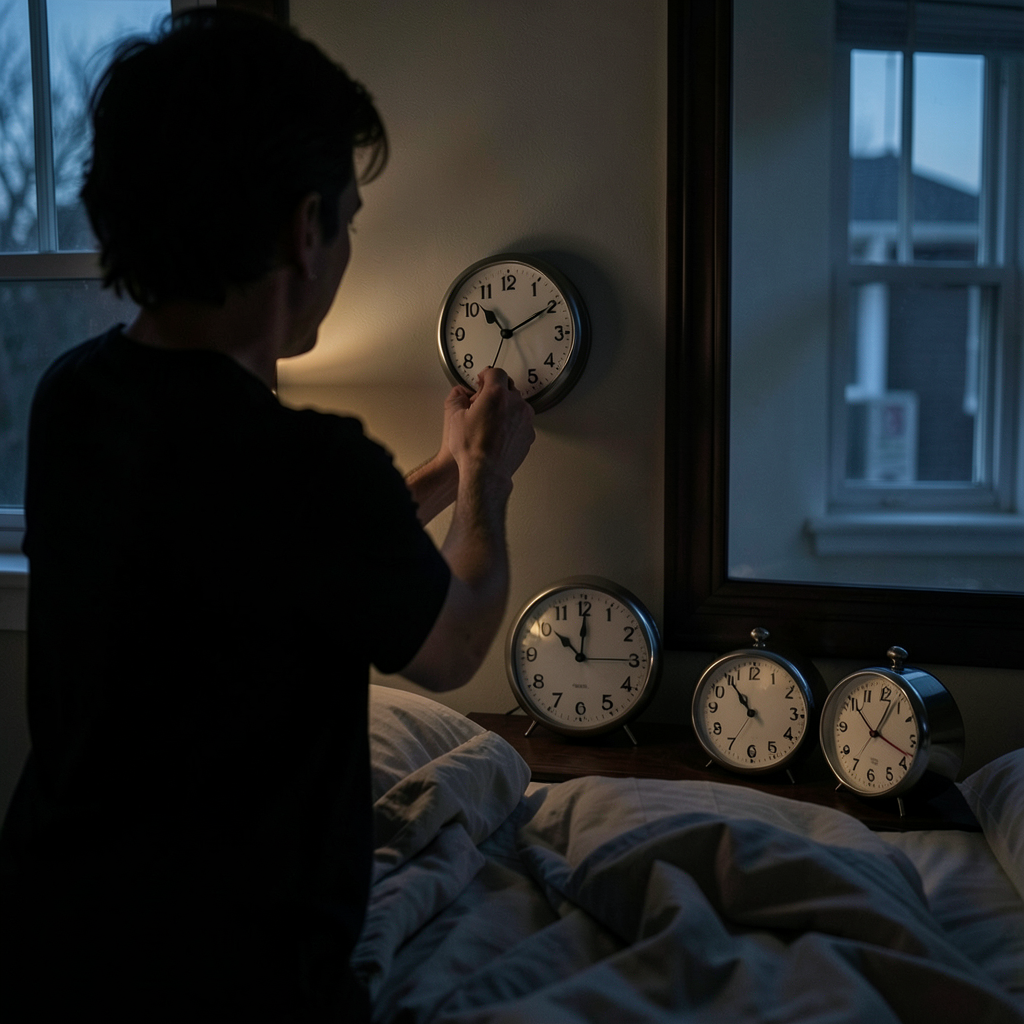

British Summer Time will end across Wales and the rest of the UK in the early hours of Sunday 25 October 2026, with the country returning to Greenwich Mean Time.
The change will provide an additional hour of sleep on Sunday morning, although evenings will become noticeably darker as winter approaches.
The adjustment takes place at 2am, when clocks are turned back to 1am.
Anyone going to bed on Saturday night can move the time back by an hour before sleeping.
People working through the night or caring for young children may receive less benefit from the later start to Sunday.
Most smartphones, tablets, computers and other internet-connected devices will update automatically if their settings are correct.
Traditional clocks and watches may require manual adjustment, as could household appliances such as ovens, microwaves and vehicle clocks.
The return to GMT will also alter the timing of sunrise and sunset.
Both will occur around an hour earlier according to the clock, placing more daylight in the morning while causing afternoons to become darker sooner.
The difference is likely to be particularly apparent to people leaving work or collecting children after school.
November is also approaching, reinforcing the shift towards shorter winter days.
The UK adjusts its clocks twice each year to make greater use of available daylight.
In spring, the time moves forward by one hour to begin British Summer Time, bringing longer and lighter evenings during the warmer part of the year.
In autumn, the clocks are set back to GMT, which transfers additional daylight to the morning.
These alterations occur on the final Sunday of March and the final Sunday of October.
Following the October change, the next clock adjustment will not happen until Sunday 28 March 2027.
British Summer Time will resume on that date, with the clocks moving from 1am to 2am.
The spring change will bring an hour of lost sleep but also longer, lighter evenings as spring and summer approach.