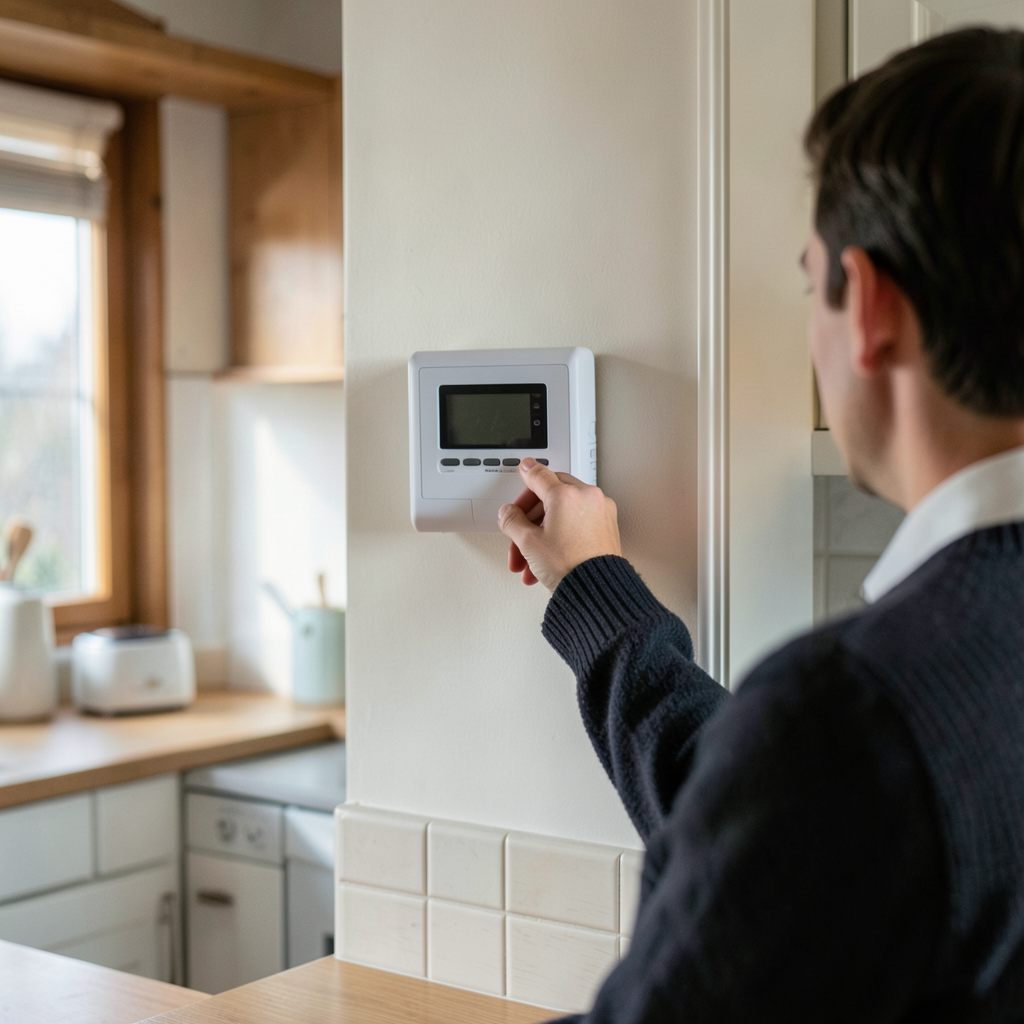

Over four million households still on default energy tariffs have been advised to provide meter readings to prevent being charged elevated rates when changes take effect on October 1.
The regulatory ceiling on energy costs in England, Scotland and Wales will climb by approximately four percent from Thursday, coinciding with the onset of colder weather as households begin operating their heating systems.
For a typical household paying through direct debit for both gas and electricity, the combined annual bill will amount to £1,723.
This represents a monthly rise of £5, or £60 annually should such pricing remain constant throughout the year.
The regulator Ofgem attributed the adjustment to elevated wholesale gas costs stemming from tensions in the Middle East, noting that unpredictable international market conditions continue to be the primary factor influencing consumer energy pricing.
The price comparison platform Uswitch has cautioned households lacking smart meters to transmit their readings to their supplier before month-end.
Without such submissions, customers risk incurring increased charges for consumption occurring prior to October 1.
Households with average consumption on standard tariffs are projected to allocate £145 towards energy in October, compared with £109 the previous month.
The 33 percent rise results from heightened consumption during cooler conditions alongside elevated unit costs established under the revised cap.
An energy specialist at Uswitch.com emphasised that submitting a meter reading before or on October 1 ensures accurate billing rather than estimated charges.
The same deadline applies to the 15 million households on standard tariffs seeking to secure a lower fixed-rate deal ahead of seasonal cost increases.
Ofgem revises the cap quarterly, with calculations primarily derived from wholesale market energy costs.
The mechanism, established by the Government in January 2019, establishes the maximum amount suppliers may charge per kilowatt hour across England, Scotland and Wales.
Critically, the cap does not restrict overall expenditure since consumers remain responsible for the volume of energy they consume.